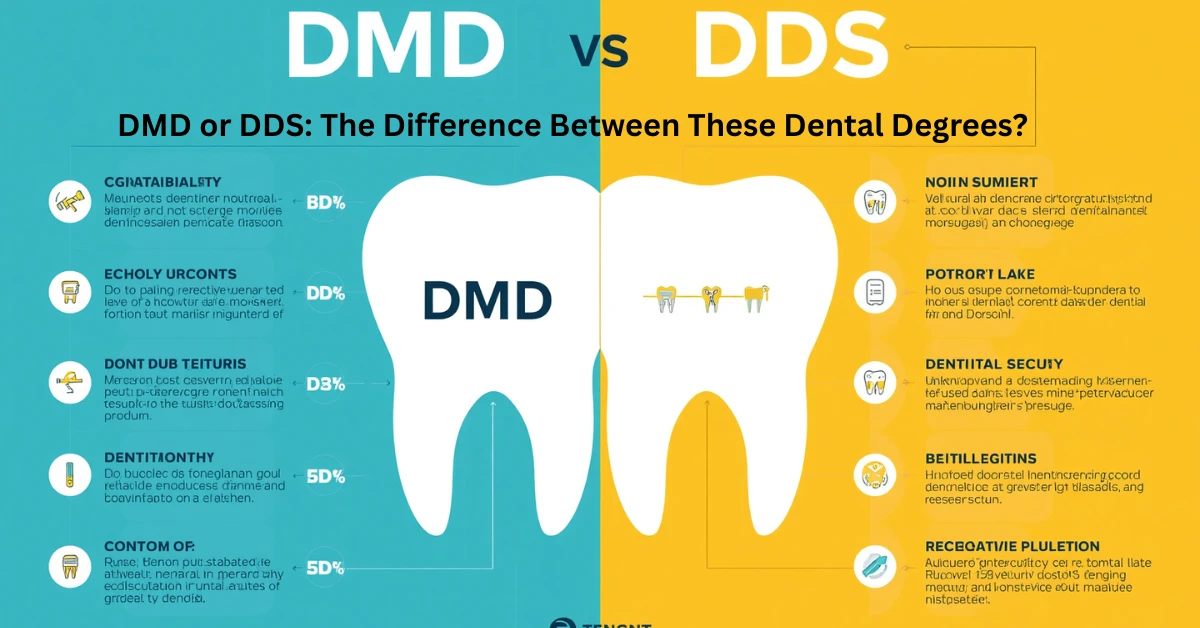
DMD or DDS is a common question for patients researching dentists and trying to understand the credentials listed after a dental professional’s name. At first glance, the two degrees may seem to represent different levels of training or expertise, but the reality is often surprising. Both DMD (Doctor of Medicine in Dentistry) and DDS (Doctor of Dental Surgery) are professional dental degrees that qualify graduates to practice dentistry. The main difference lies in the title awarded by the dental school rather than the education or clinical training received. In this guide, we’ll explore the similarities and differences between DMD and DDS degrees, explain their history, and help you understand what these credentials mean when choosing a dentist.
If you’ve ever looked at a dentist’s credentials, you may have noticed the letters DMD or DDS after their name and wondered what they mean. Many patients assume these titles represent different levels of education or different specialties, but that is not the case.
People search for DMD or DDS because they want to know whether one degree is better than the other, whether dentists receive different training, and which credential they should choose when selecting a dental provider. The good news is that the distinction is much simpler than many people think.
Both DMD and DDS are professional dental degrees that qualify dentists to diagnose oral health conditions, perform dental procedures, and provide patient care. The primary difference lies in the name of the degree awarded by the dental school. This guide explains the origins of DMD and DDS, compares their education and training, addresses common misconceptions, and helps patients understand what these credentials actually mean.
DMD or DDS – Quick Answer
The quick answer is:
- DDS stands for Doctor of Dental Surgery.
- DMD stands for Doctor of Medicine in Dentistry (or Doctor of Dental Medicine).
Both degrees provide the same education, training, licensing requirements, and professional qualifications.
Examples
- Dr. Smith, DDS
- Dr. Johnson, DMD
Both dentists can legally perform the same dental procedures.
Comparison Table
| Degree | Full Name | Qualification Level |
| DDS | Doctor of Dental Surgery | Dentist |
| DMD | Doctor of Dental Medicine | Dentist |
The Origin of DMD or DDS
Origin of DDS
DDS, or Doctor of Dental Surgery, was the original dental degree awarded by many early dental schools in the United States.
Origin of DMD
DMD was later introduced by certain dental schools that preferred a degree title based on Latin terminology. The curriculum remained essentially the same.
Why Two Different Degrees Exist
The difference is largely historical. Dental schools choose which title to award, but the educational standards are equivalent.
DMD vs DDS: Education and Training
DDS Education
Students earning a DDS complete:
- Dental school coursework
- Clinical training
- Licensing examinations
- Patient care requirements
DMD Education
Students earning a DMD complete:
- Dental school coursework
- Clinical training
- Licensing examinations
- Patient care requirements
Comparison Table
| Category | DDS | DMD |
| Dental School | Yes | Yes |
| Clinical Training | Yes | Yes |
| Licensing Exams | Yes | Yes |
| Dental Procedures | Yes | Yes |
| Professional Recognition | Yes | Yes |
Which Degree Should You Choose?
For patients, there is generally no difference.
Choose Based on the Dentist, Not the Degree
Consider factors such as:
- Experience
- Patient reviews
- Communication skills
- Office location
- Services offered
Important Fact
A DDS is not automatically more qualified than a DMD, and a DMD is not automatically more qualified than a DDS.
Patient Selection Table
| Factor | More Important Than Degree? |
| Experience | Yes |
| Reputation | Yes |
| Communication | Yes |
| Technology | Yes |
| Degree Type | Usually No |
Common Mistakes with DMD or DDS
Mistake 1: Thinking DDS Is Higher Than DMD
Both degrees are equivalent.
Mistake 2: Assuming DMD Dentists Attend Different Training Programs
The educational requirements are essentially the same.
Mistake 3: Believing One Degree Allows More Procedures
Both can perform the same dental services when properly licensed.
Mistake 4: Choosing a Dentist Solely Based on Degree Letters
Experience and patient care matter far more.
Mistake 5: Confusing Degrees with Specialties
Specialists often have additional training beyond their degree.
DMD or DDS in Everyday Examples
Dental Office Example
“Dr. Williams, DDS, has practiced dentistry for twenty years.”
Patient Example
“My new dentist is a DMD.”
Professional Example
“Both DDS and DMD graduates must meet licensing requirements.”
Healthcare Example
“The dental clinic employs dentists with both DDS and DMD degrees.”
DMD or DDS – Google Trends & Usage Data
Interest in DMD or DDS remains steady because patients frequently encounter these credentials.
Popular Search Queries
- DMD vs DDS
- Is DDS better than DMD?
- What does DMD mean?
- What does DDS stand for?
- Difference between DMD and DDS
Common Search Intent
Users want to know:
- Which degree is better
- Education differences
- Training requirements
- Dentist qualifications
- Licensing standards
Popular Audiences
- Dental patients
- Students considering dentistry
- Parents seeking dental care
- Healthcare researchers
DMD vs DDS Comparison Table
| Feature | DMD | DDS |
| Professional Degree | Yes | Yes |
| Licensed Dentist | Yes | Yes |
| Same Curriculum Standards | Yes | Yes |
| Clinical Training | Yes | Yes |
| Can Practice Dentistry | Yes | Yes |
| Specialty Eligibility | Yes | Yes |
| Patient Care Authority | Yes | Yes |
FAQs
What is the difference between DMD and DDS?
The primary difference is the name of the degree. The education and qualifications are equivalent.
Is a Doctor of Dental Surgery better than a Doctor of Dental Medicine?
No. Both degrees provide the same professional qualifications.
Can a DMD perform the same procedures as a DDS?
Yes. Licensed DMD and DDS dentists can perform the same dental procedures.
Why do some schools award DMD instead of DDS?
The choice is based on the dental school’s historical and academic preferences.
Are dental degrees recognized equally?
Yes. Both are recognized professional dental degrees.
Do specialists have dental degrees?
Yes. Specialists begin with a dental degree and then complete additional training.
Should patients care whether a dentist is dental degree?
Generally, no. Experience, reputation, and patient care are more important factors.
Conclusion:
When comparing DMD or DDS, the most important thing to remember is that both degrees represent fully qualified dentists who have completed rigorous education, clinical training, and licensing requirements. Despite the different names, there is no meaningful difference in the quality of care that a DMD or DDS can provide.
The distinction exists mainly because dental schools have historically chosen different degree titles. While DDS stands for Doctor of Dental Surgery and DMD stands for Doctor of Dental Medicine, both credentials prepare graduates to diagnose, treat, and prevent oral health conditions.
For patients choosing a dentist, factors such as experience, communication, office environment, and professional reputation are usually much more important than the letters that follow a dentist’s name.

I am Ethan Whitmore is the founder and lead writer of Grammlii.com, passionate about exploring meanings, language, literature, and insightful ideas. Through well-researched and engaging content, he helps readers discover the deeper significance behind words, expressions, and everyday concepts.