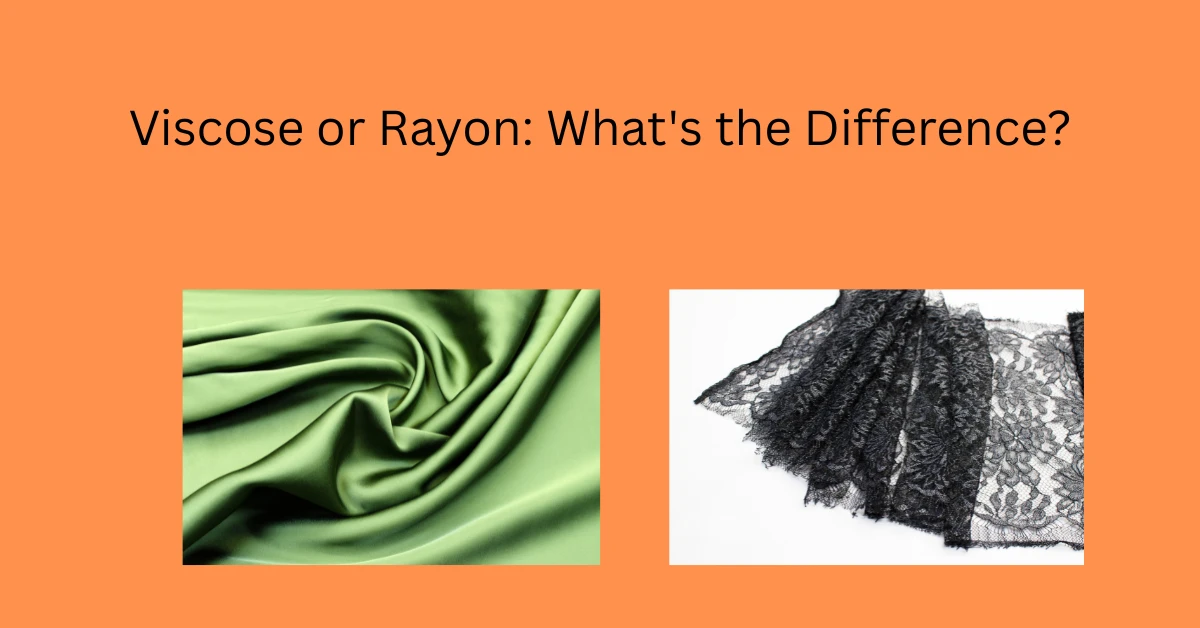
Viscose or rayon is a common question among shoppers, fashion enthusiasts, and textile professionals trying to understand fabric labels. Because the two terms are often used interchangeably, many people assume they refer to different materials. In reality, viscose is one of the most common types of rayon, though the terminology can vary depending on the manufacturing process and the country where the fabric is produced.
If you’re comparing viscose and rayon, you’re probably shopping for clothing, home textiles, or fabrics and wondering whether these materials are the same. The terms often appear on clothing labels, bedding, curtains, and upholstery, leading many people to believe they refer to different fabrics. In reality, the relationship between viscose and rayon is much simpler than it seems.
People search for viscose or rayon because they want to know which fabric is softer, more durable, more breathable, or easier to care for. Others are interested in sustainability, comfort, or choosing the best material for warm weather.
The good news is that viscose is a type of rayon. Rayon is the general name for a family of semi-synthetic fibers made from regenerated cellulose, while viscose is the most common manufacturing process used to produce rayon. This guide explains their differences, similarities, advantages, disadvantages, and how to choose the right fabric for your needs.
Viscose or Rayon – Quick Answer
The quick answer is:
- Rayon is the general name for a family of regenerated cellulose fabrics.
- Viscose is the most common type of rayon made using the viscose manufacturing process.
In everyday clothing labels, the two terms are often used interchangeably.
Examples
- A type of rayon makes the summer dress labeled viscose.
- A shirt labeled rayon may have been produced using the viscose process.
Comparison Table
| Feature | Viscose | Rayon |
| Fabric Type | Type of Rayon | General Fiber Category |
| Made from Cellulose | Yes | Yes |
| Soft Texture | Yes | Yes |
| Breathable | Yes | Yes |
| Common in Clothing | Yes | Yes |
The Origin
Origin of Rayon
Rayon was developed in the late 19th century as an alternative to natural silk. It is made by processing cellulose obtained from wood pulp or other plant materials into fibers.
Origin of Viscose
Viscose is the oldest and most widely used process for producing rayon. Because it became so common, many manufacturers use the term “viscose” on clothing labels.
Why People Confuse Them
The confusion exists because:
- Both have similar properties.
- Clothing labels may use either name.
- Viscose is the most common form of rayon.
Viscose vs Rayon Features
Viscose Strengths
- Soft and smooth
- Lightweight
- Breathable
- Drapes well
- Comfortable in warm weather
Rayon Strengths
- Includes several fiber types
- Soft texture
- Excellent moisture absorption
- Comfortable to wear
- Versatile for many products
Comparison Table
| Category | Viscose | Rayon |
| Softness | Excellent | Excellent |
| Breathability | Excellent | Excellent |
| Moisture Absorption | High | High |
| Everyday Clothing | Excellent | Excellent |
| General Fabric Category | No | Yes |
Which Fabric Should You Choose?
The answer depends more on the garment than the label.
Choose Viscose If:
- You want lightweight clothing.
- You like soft, flowing fabrics.
- You’re buying dresses or blouses.
- Comfort is your priority.
Choose Rayon If:
- The label says rayon.
- You want a breathable cellulose fabric.
- You’re comparing different fabric blends.
Buyer-Based Recommendation
| Need | Best Choice |
| Summer Clothing | Viscose |
| Soft Feel | Either |
| Breathability | Either |
| Casual Wear | Either |
| Draping Fabric | Viscose |
Common Mistakes
Mistake 1: Thinking They’re Completely Different Fabrics
Viscose is actually one type of rayon.
Mistake 2: Assuming All Rayon Is Identical
Rayon includes several manufacturing methods, including viscose, modal, and lyocell.
Mistake 3: Ignoring Care Instructions
Some rayon fabrics may shrink or lose shape if washed improperly.
Mistake 4: Assuming They’re Synthetic Plastics
Both are made from regenerated plant cellulose, although chemical processing is involved.
Mistake 5: Buying Based Only on the Fabric Name
The quality of the finished garment depends on the manufacturing process, fabric blend, and construction.
Everyday Examples
Clothing Example
“Viscose makes my summer dress.”
Shopping Example
“I compared viscose or rayon before buying new shirts.”
Home Textile Example
“The curtains contain rayon fibers for a soft drape.”
Fashion Example
“The viscose fabric makes the blouse feel cool.”
Google Trends & Usage Data
Interest in these fabrics remains high among clothing shoppers and people researching.
Popular Search Queries
- Viscose vs rayon
- Is viscose the same as rayon?
- Rayon fabric
- Viscose clothing
- Which is better, viscose or rayon?
Common Search Intent
Users want to compare:
- Comfort
- Breathability
- Durability
- Sustainability
- Fabric quality
Popular Audiences
- Clothing shoppers
- Fashion enthusiasts
- Home decorators
- Sewing hobbyists
- Textile students
Comparison Table
| Feature | Viscose | Rayon |
| Plant-Based Cellulose | Yes | Yes |
| Semi-Synthetic | Yes | Yes |
| Soft Texture | Yes | Yes |
| Breathable | Yes | Yes |
| General Fabric Category | No | Yes |
| Common Clothing Material | Yes | Yes |
| Everyday Use | Excellent | Excellent |
FAQs
Is viscose the same as rayon?
Viscose is a type of rayon. Rayon is the broader category of regenerated cellulose fibers.
Which fabric is better?
Neither is universally better.
Is rayon breathable?
Yes. Rayon is breathable and comfortable in warm weather.
Does viscose shrink?
It can shrink if not cared for properly. Always follow the care label instructions.
Is rayon good for summer?
Yes. Rayon fabrics are lightweight, breathable, and comfortable in hot weather.
Should I choose these fabrics?
Since viscose is a type of rayon, focus on the garment’s quality, fit, care instructions, and intended use rather than the label alone.
Conclusion:
When comparing viscose or rayon, it’s important to remember that these terms are closely related rather than competing fabrics. Rayon is the general name for regenerated cellulose fibers, while viscose is the most common type of rayon produced using the viscose process. That’s why many clothing labels use the names interchangeably.
Both fabrics are valued for their softness, breathability, smooth texture, and elegant drape, making them popular choices for dresses, shirts, blouses, and home textiles.
Whenever you’re deciding between these fabrics, pay close attention to the garment’s quality, fabric blend, and care instructions. Those factors will have a much greater impact on comfort and durability than the name printed on the label.

I am Oliver Bennett is the founder and writer behind Grammlii.com, where he shares insightful content on language, meanings, expressions, and effective communication. Passionate about making knowledge simple and accessible, he helps readers explore words, ideas, and their deeper significance.